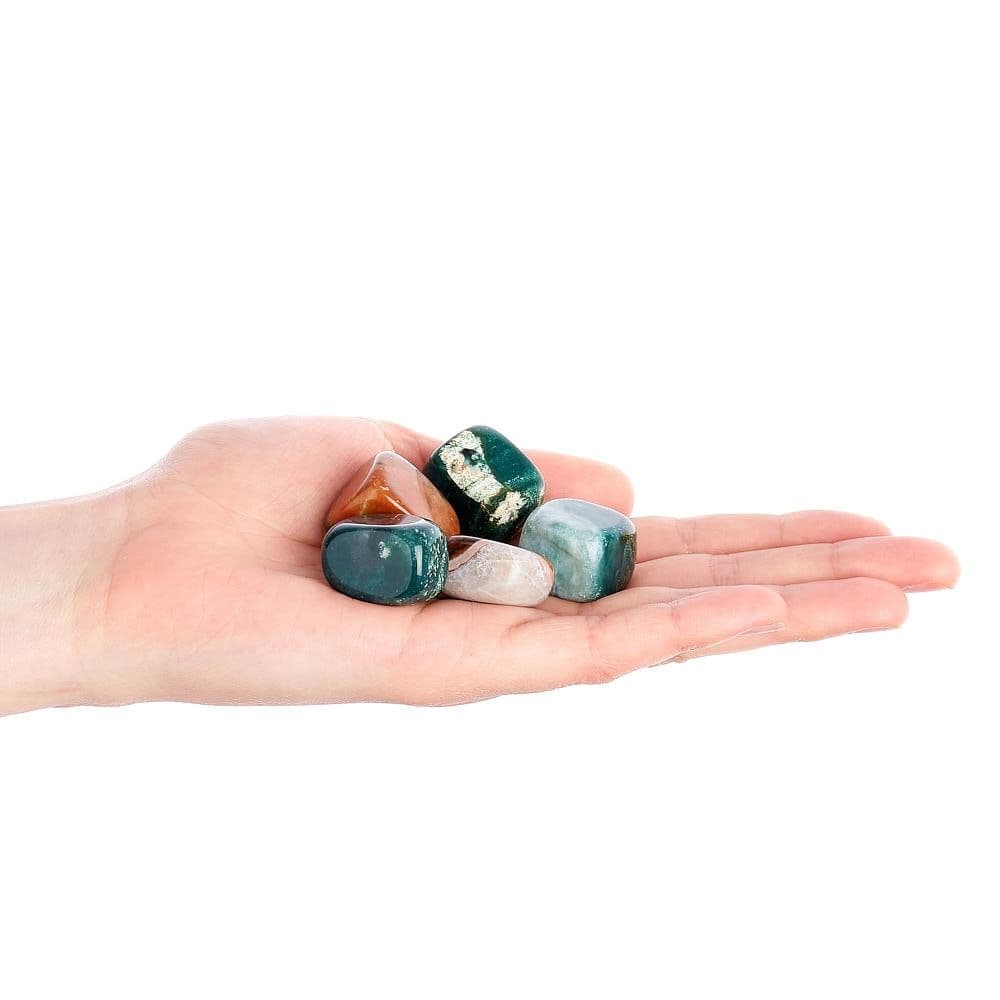
Fancy Jasper Tumblestone Collectable Gemstone (SINGLE UNIT)
Jasper is an opaque, impure variety of silica, primarily composed of microgranular quartz and/or cryptocrystalline chalcedony.
With a density typically ranging from 2.5 to 2.9 g/cm³. It is classified as a sedimentary or, in some cases, volcanic rock, containing 80–95% silica, often with minor amounts of clay or other mineral inclusions. Its composition includes radiolarians cemented in a chalcedony matrix, resulting in a fine-grained, durable structure with a smooth surface when polished. Jasper exhibits a wide range of colours—commonly red, yellow, brown, green, and rarely blue—due to impurities such as iron(III) oxides, which produce the characteristic red hues, or other minerals like epidote for green varieties. Its fracture is typically conchoidal to splintery, and its appearance can be mottled, banded, or spotted, with patterns like orbicular (e.g., leopard skin jasper) or brecciated (fragmented and cemented) forms arising from depositional, hydrothermal, or tectonic processes.
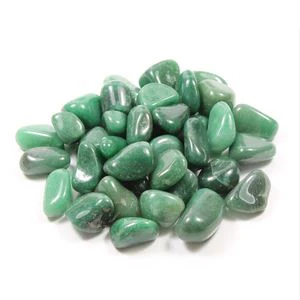
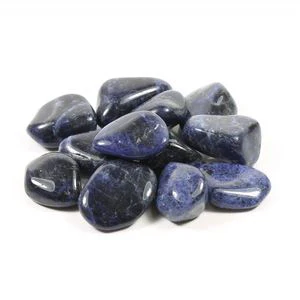
Tumble stones are rock specimens that have been mechanically polished in a rock tumbler, a process that rounds and smooths the rough edges, enhancing their aesthetic appeal and revealing internal patterns or colours. The tumbling process involves abrading the stones with progressively finer grits, resulting in a glossy, tactile surface ideal for display or jewellery. Varieties like picture jasper, with scene-like patterns, or orbicular jasper, with distinctive circular markings, are particularly prized after tumbling.
Geological Significance
Geologists are interested in jasper due to its formation processes and what they reveal about Earth’s history. Jasper typically forms in sedimentary environments through the precipitation of silica-rich fluids, often associated with volcanic ash or organic-rich sediments, or via hydrothermal circulation where mineral-rich fluids infiltrate fractures. For example, jaspillite, a banded-iron-formation rock, provides evidence of ancient oceanic chemistry and early Earth conditions, as its iron oxide bands reflect oxygen levels in Precambrian oceans. Patterns like dendritic or brecciated structures indicate post-depositional alteration, such as fracturing or mineral diffusion, offering clues about tectonic activity or fluid dynamics. Geologists use jasper’s mineralogical composition, studied via optical microscopes or spectrometry, to reconstruct paleoenvironments and understand silica diagenesis.
Interest to Rock Collectors
Rock collectors value jasper tumble stones for their aesthetic diversity and durability. The vast array of colours and patterns—such as the vivid reds of red jasper, the scenic bands of Biggs jasper, or the “eyes” of orbicular jasper—make each piece unique, appealing to collectors seeking visually striking specimens. The polishing process enhances these features, making tumble stones ideal for display, jewellery, or metaphysical uses (e.g., as chakra stones, like red jasper for the root chakra). Their global occurrence, from specific locales like Bruneau Canyon in Idaho to Gemstone Beach in New Zealand, adds to their allure, as collectors often seek specimens tied to particular geographic or geological contexts. Additionally, jasper’s historical use in ancient tools, seals, and ornaments, dating back to civilisations like Minoan Crete or medieval Europe, imbues it with cultural significance, further captivating collectors.
Original: $11.92
-70%$11.92
$3.58Product Information
Product Information
Shipping & Returns
Shipping & Returns
Description
Jasper is an opaque, impure variety of silica, primarily composed of microgranular quartz and/or cryptocrystalline chalcedony.
With a density typically ranging from 2.5 to 2.9 g/cm³. It is classified as a sedimentary or, in some cases, volcanic rock, containing 80–95% silica, often with minor amounts of clay or other mineral inclusions. Its composition includes radiolarians cemented in a chalcedony matrix, resulting in a fine-grained, durable structure with a smooth surface when polished. Jasper exhibits a wide range of colours—commonly red, yellow, brown, green, and rarely blue—due to impurities such as iron(III) oxides, which produce the characteristic red hues, or other minerals like epidote for green varieties. Its fracture is typically conchoidal to splintery, and its appearance can be mottled, banded, or spotted, with patterns like orbicular (e.g., leopard skin jasper) or brecciated (fragmented and cemented) forms arising from depositional, hydrothermal, or tectonic processes.
Tumble stones are rock specimens that have been mechanically polished in a rock tumbler, a process that rounds and smooths the rough edges, enhancing their aesthetic appeal and revealing internal patterns or colours. The tumbling process involves abrading the stones with progressively finer grits, resulting in a glossy, tactile surface ideal for display or jewellery. Varieties like picture jasper, with scene-like patterns, or orbicular jasper, with distinctive circular markings, are particularly prized after tumbling.
Geological Significance
Geologists are interested in jasper due to its formation processes and what they reveal about Earth’s history. Jasper typically forms in sedimentary environments through the precipitation of silica-rich fluids, often associated with volcanic ash or organic-rich sediments, or via hydrothermal circulation where mineral-rich fluids infiltrate fractures. For example, jaspillite, a banded-iron-formation rock, provides evidence of ancient oceanic chemistry and early Earth conditions, as its iron oxide bands reflect oxygen levels in Precambrian oceans. Patterns like dendritic or brecciated structures indicate post-depositional alteration, such as fracturing or mineral diffusion, offering clues about tectonic activity or fluid dynamics. Geologists use jasper’s mineralogical composition, studied via optical microscopes or spectrometry, to reconstruct paleoenvironments and understand silica diagenesis.
Interest to Rock Collectors
Rock collectors value jasper tumble stones for their aesthetic diversity and durability. The vast array of colours and patterns—such as the vivid reds of red jasper, the scenic bands of Biggs jasper, or the “eyes” of orbicular jasper—make each piece unique, appealing to collectors seeking visually striking specimens. The polishing process enhances these features, making tumble stones ideal for display, jewellery, or metaphysical uses (e.g., as chakra stones, like red jasper for the root chakra). Their global occurrence, from specific locales like Bruneau Canyon in Idaho to Gemstone Beach in New Zealand, adds to their allure, as collectors often seek specimens tied to particular geographic or geological contexts. Additionally, jasper’s historical use in ancient tools, seals, and ornaments, dating back to civilisations like Minoan Crete or medieval Europe, imbues it with cultural significance, further captivating collectors.