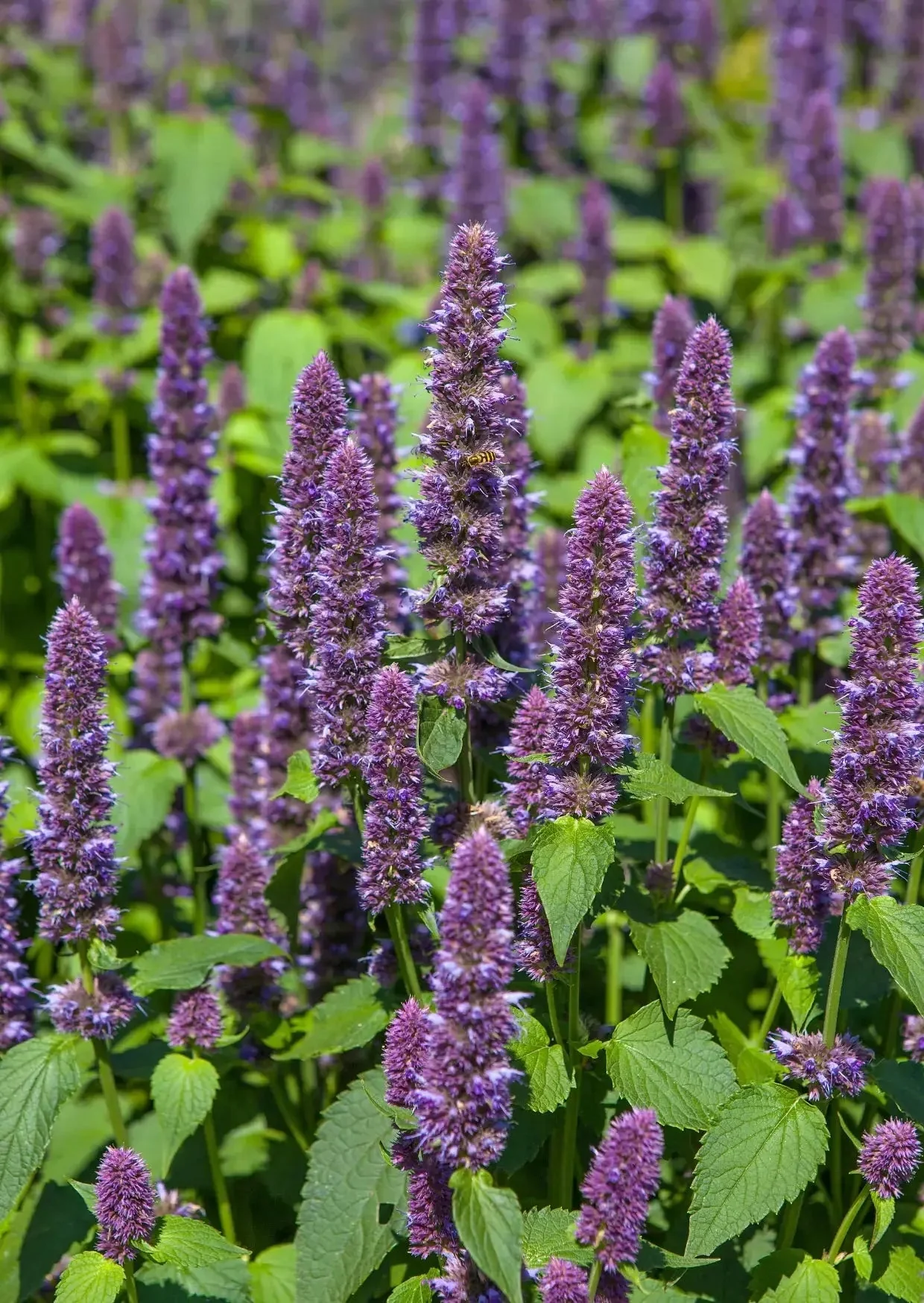
Agastache Liquorice Blue
Agastache 'Liquorice Blue' Seeds
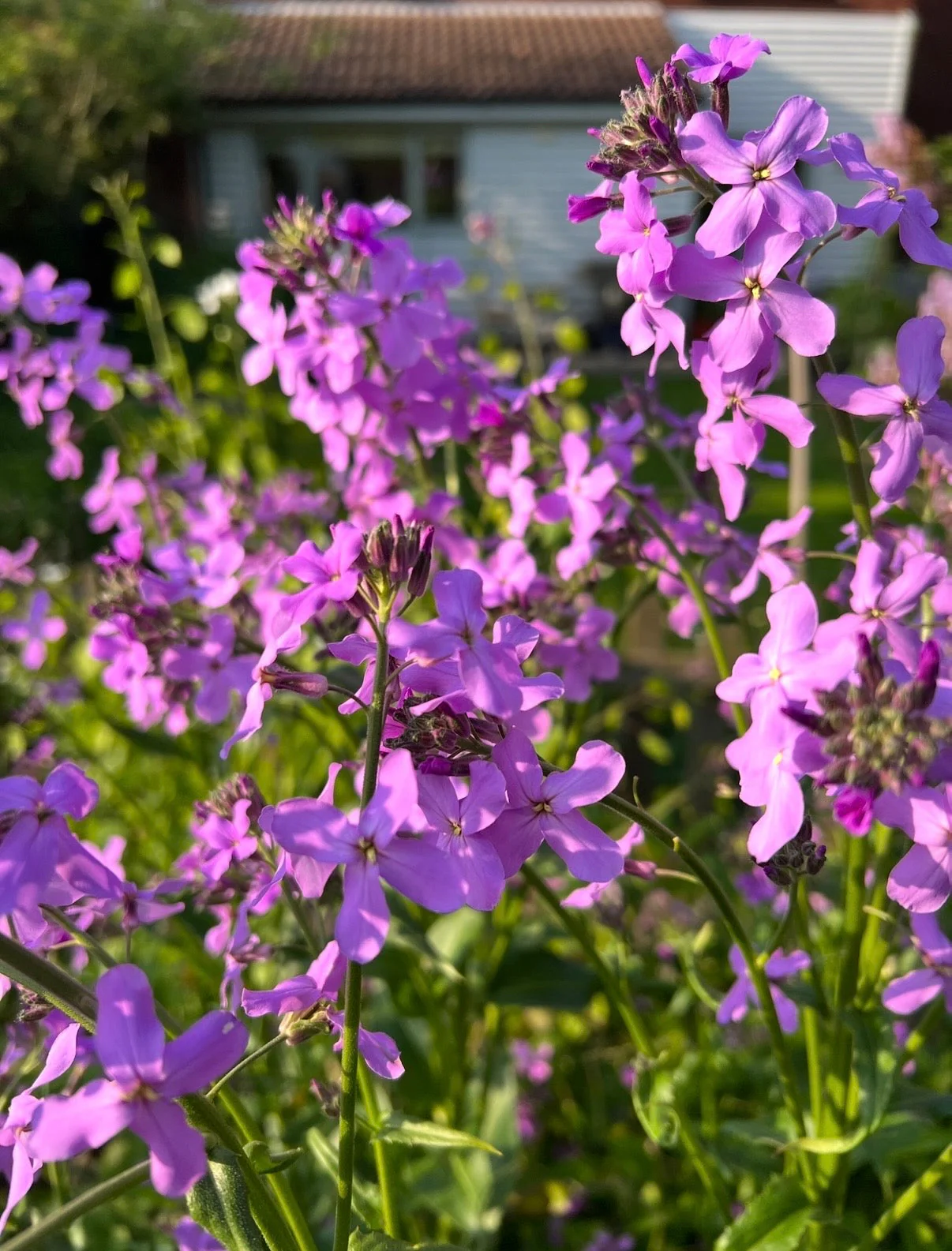
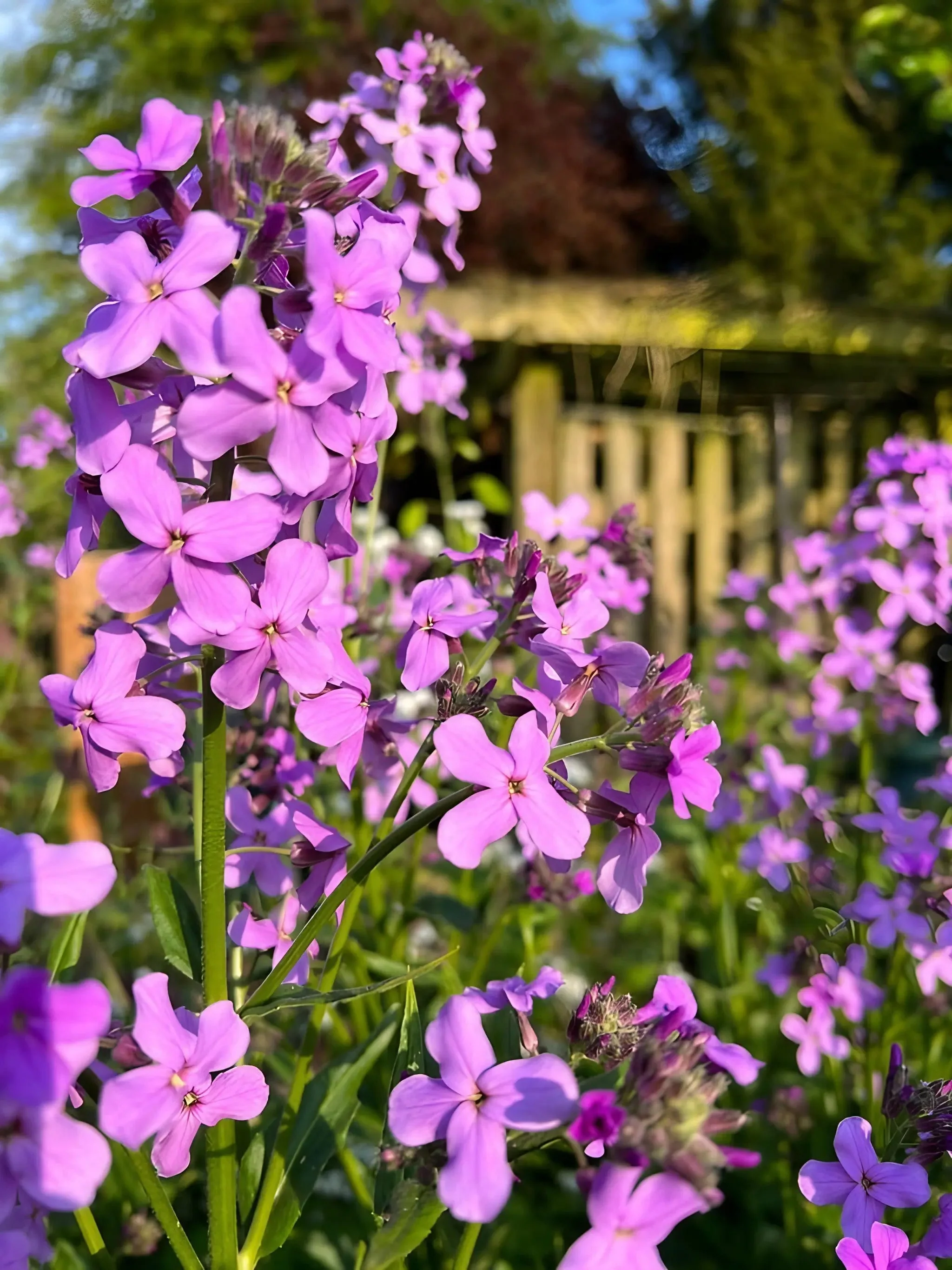
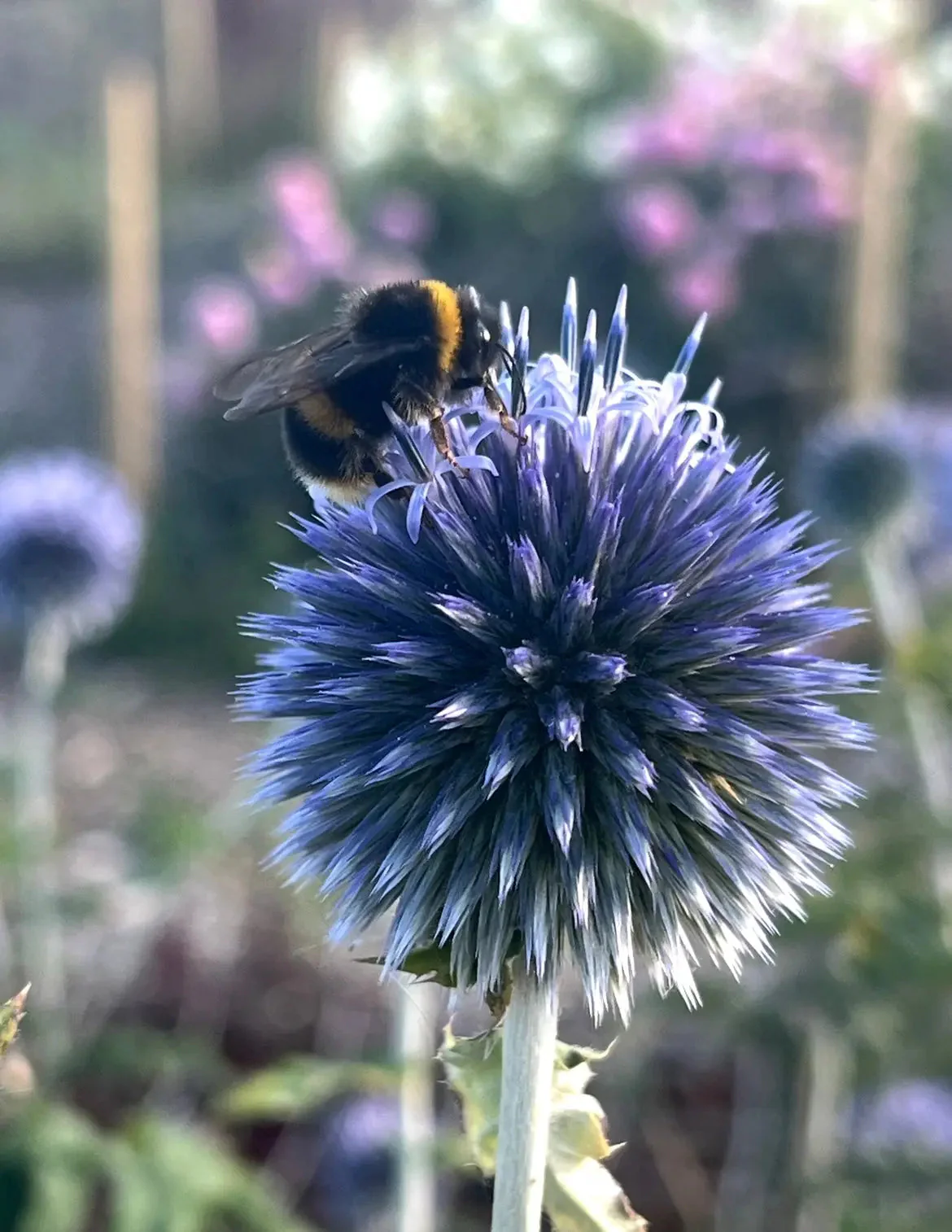
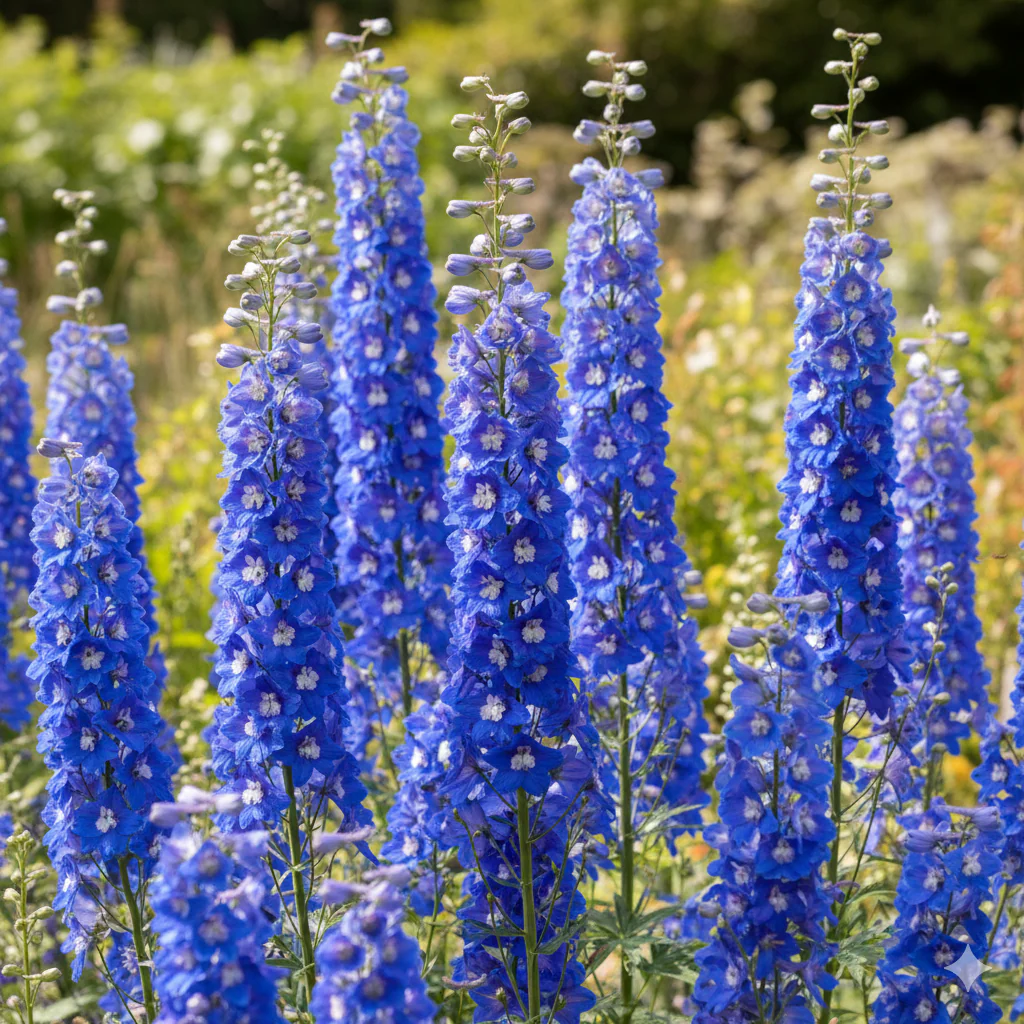
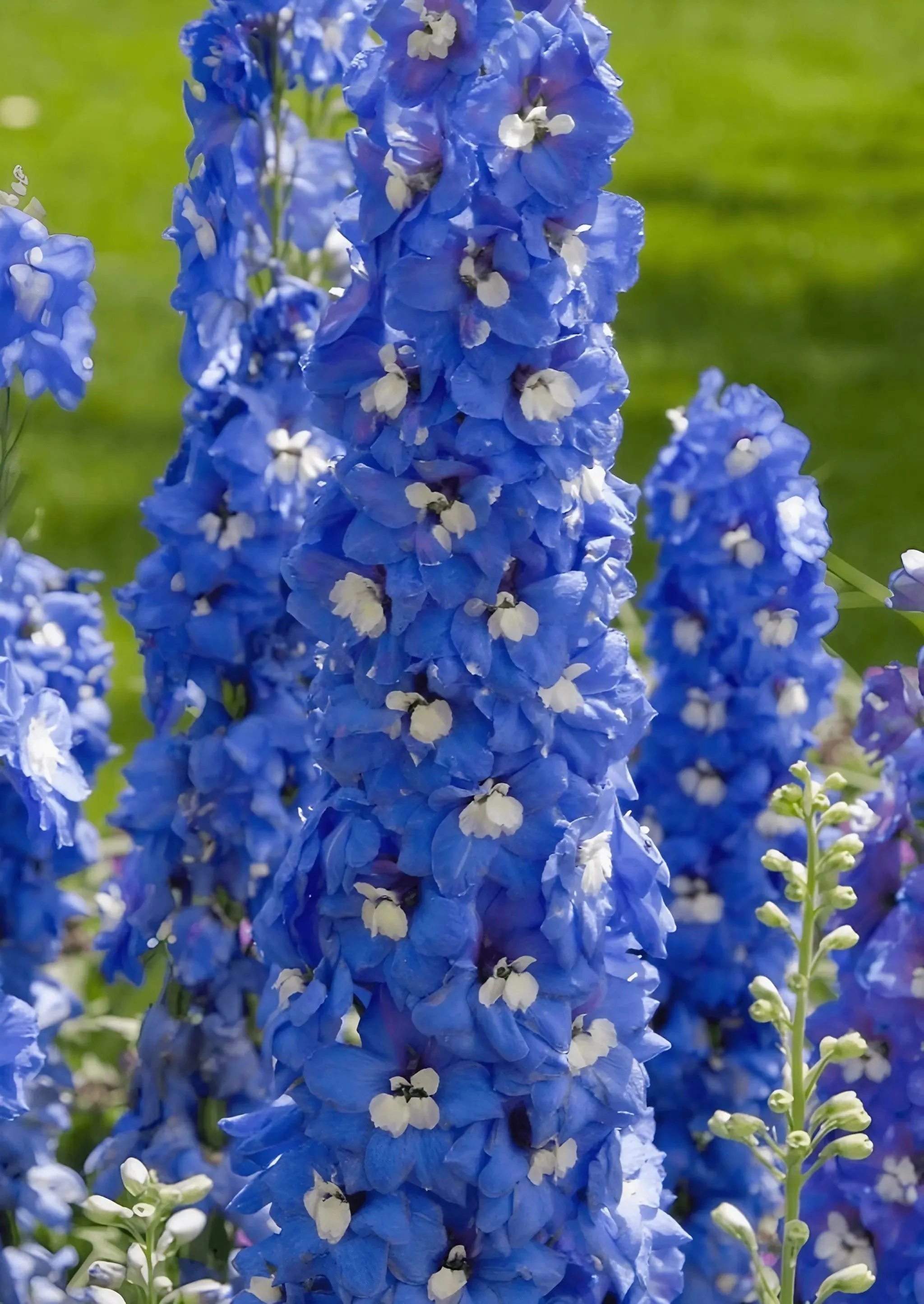
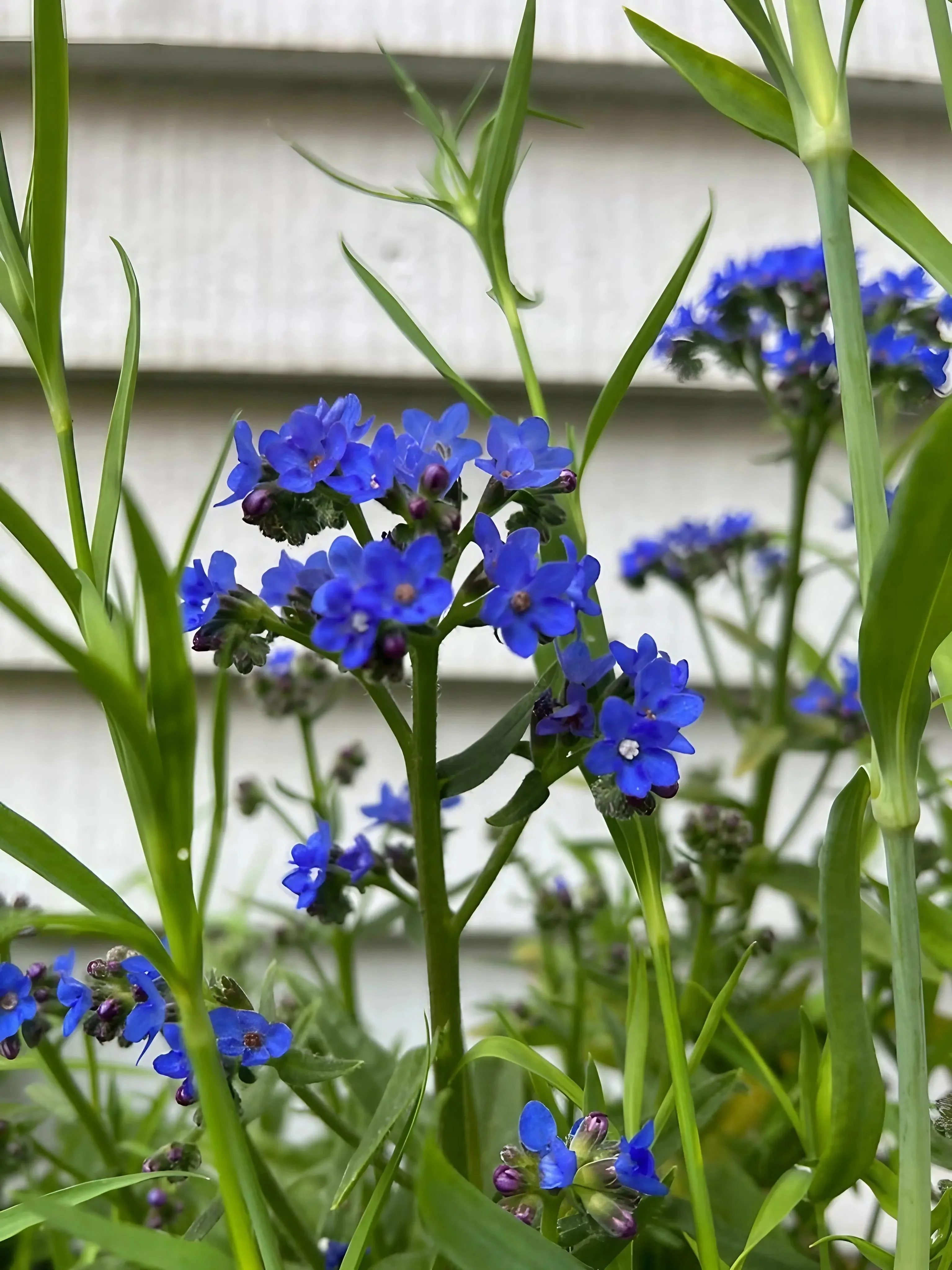
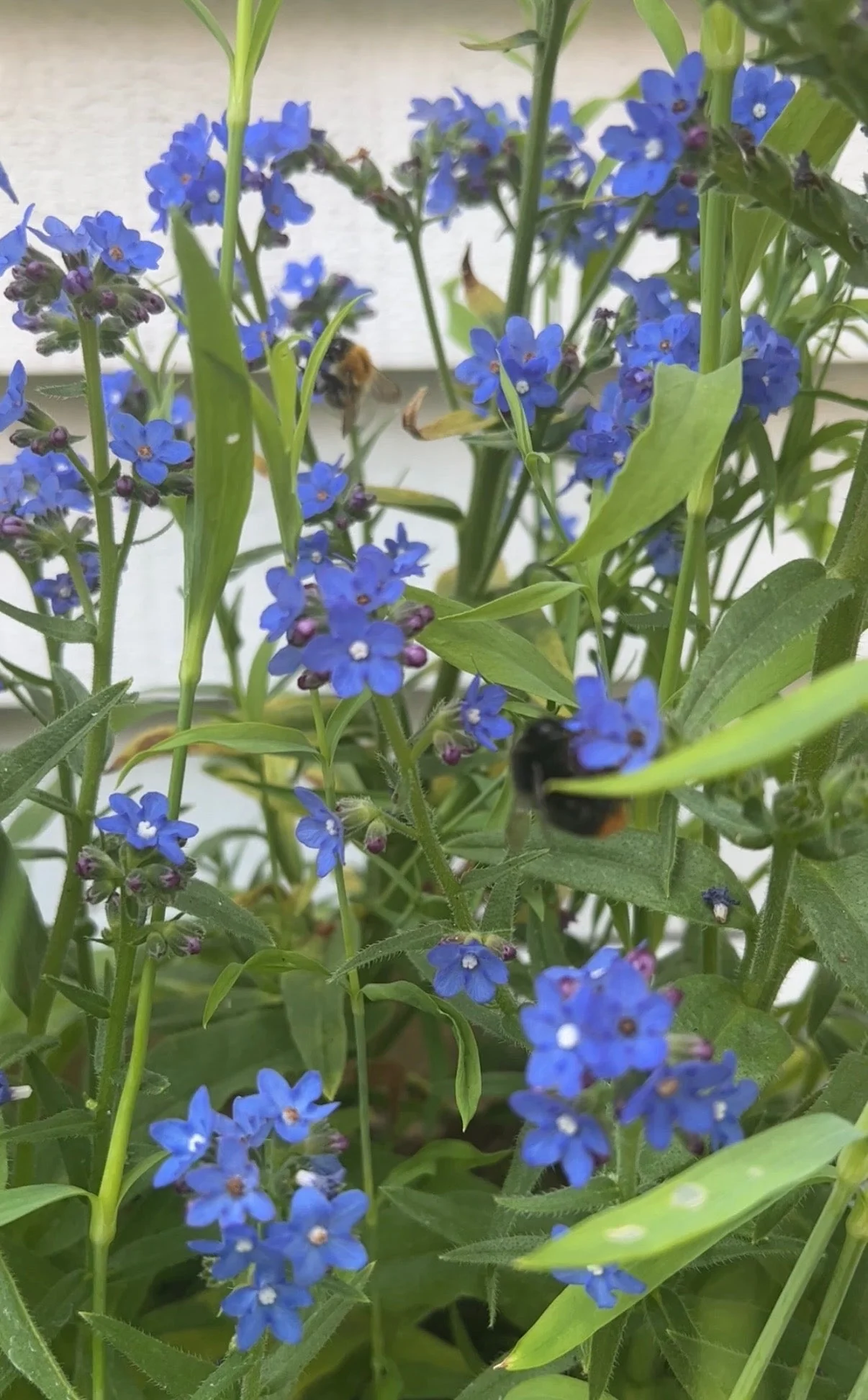
If you want to see bees, butterflies, and hoverflies flocking to your border, plant Agastache. 'Liquorice Blue' produces tall, dense spikes of bottle-brush flowers in a stunning violet-blue that are richer in nectar than almost any other garden plant.
But it isn't just for the insects. As the name suggests, the foliage releases a powerful, delicious aroma of aniseed and liquorice when brushed against. It is a fantastic architectural plant, adding vertical structure to borders, and unlike many perennials, it flowers in its very first year from seed.
Read More
🌿 Understanding the Plant
Agastache is a Hardy Perennial (often treated as a short-lived perennial).
Also known as "Korean Mint" or "Giant Hyssop," it originates from East Asia. It is incredibly vigorous and will bloom just a few months after sowing. While it can survive UK winters (especially in well-drained soil), it gives so much energy to flowering that many gardeners treat it as a fresh annual/biennial to ensure the best display.
The Scent: The essential oils in the leaves are strong. On a hot day, you can smell the liquorice scent wafting through the air without even touching the plant.
🌱 Growing Guide: How to Sow and Grow
Agastache is very easy to grow but hates wet feet in winter.
Germination:
Sow indoors from February to April. Surface sow onto moist compost and do not cover (they need light to germinate). Keep warm (20°C). Germination is usually rapid (7-14 days).
Where to Sow:
Plant out after the last frost. They need full sun and free-draining soil. If you have heavy clay, grow them in raised beds or add grit to the planting hole. They are drought tolerant once established.
Care While Growing:
Deadhead: While you can deadhead to encourage more blooms, the seed heads look beautiful in winter (standing like dark skeletons) and provide food for goldfinches.
📋 Plant Specifications
| Latin Name | Agastache rugosa 'Liquorice Blue' |
| Common Name | Giant Hyssop / Korean Mint |
| Hardiness | H4 (Hardy - likes drainage) |
| Light Required | Full Sun ☀️ |
| Height | ↕️ 70cm - 90cm (Tall) |
| Spread | ↔️ 45cm |
| Spacing | 🌱 40cm apart |
| Great for | 🐝 The #1 Bee Plant 🍵 Herbal Tea 🏰 Vertical Structure ✂️ Cut Flowers |
| Seed Count | Approx. 90 seeds per packet |
🤝 Perfect Garden Companions
The vertical blue spikes of Agastache look incredible with contrasting shapes and colours:
- 🌼 Rudbeckia 'Marmalade': The Colour Clash. The deep yellow/gold of Rudbeckia provides a vibrant contrast to the violet-blue of Agastache. Both flower late into the summer.
- 🌸 Echinacea (Coneflower): The Shape Contrast. The large, flat, daisy heads of Echinacea sit beautifully alongside the tall, thin candles of the Agastache. A classic prairie planting combination.
📅 Sowing & Flowering Calendar
Sow indoors in spring. Flowers July to October.
| Month | J | F | M | A | M | J | J | A | S | O | N | D |
|---|---|---|---|---|---|---|---|---|---|---|---|---|
| Sow Indoors | 🟢 | 🟢 | 🟢 | |||||||||
| Plant Out | 🌱 | 🌱 | ||||||||||
| Flowers | 🌸 | 🌸 | 🌸 | 🌸 |
⚠️ Edible & Herbal
The leaves are 100% edible and are often used in East Asian cuisine. You can steep the fresh leaves in hot water for a refreshing, minty-liquorice tea that is said to settle the stomach.
🏆 Officially Recognised Excellence
Agastache is a superstar for wildlife. It is listed on the RHS Plants for Pollinators list and is widely considered one of the most effective plants for increasing biodiversity in a garden.
Original: $2.91
-70%$2.91
$0.87Product Information
Product Information
Shipping & Returns
Shipping & Returns
Description
Agastache 'Liquorice Blue' Seeds
If you want to see bees, butterflies, and hoverflies flocking to your border, plant Agastache. 'Liquorice Blue' produces tall, dense spikes of bottle-brush flowers in a stunning violet-blue that are richer in nectar than almost any other garden plant.
But it isn't just for the insects. As the name suggests, the foliage releases a powerful, delicious aroma of aniseed and liquorice when brushed against. It is a fantastic architectural plant, adding vertical structure to borders, and unlike many perennials, it flowers in its very first year from seed.
Read More
🌿 Understanding the Plant
Agastache is a Hardy Perennial (often treated as a short-lived perennial).
Also known as "Korean Mint" or "Giant Hyssop," it originates from East Asia. It is incredibly vigorous and will bloom just a few months after sowing. While it can survive UK winters (especially in well-drained soil), it gives so much energy to flowering that many gardeners treat it as a fresh annual/biennial to ensure the best display.
The Scent: The essential oils in the leaves are strong. On a hot day, you can smell the liquorice scent wafting through the air without even touching the plant.
🌱 Growing Guide: How to Sow and Grow
Agastache is very easy to grow but hates wet feet in winter.
Germination:
Sow indoors from February to April. Surface sow onto moist compost and do not cover (they need light to germinate). Keep warm (20°C). Germination is usually rapid (7-14 days).
Where to Sow:
Plant out after the last frost. They need full sun and free-draining soil. If you have heavy clay, grow them in raised beds or add grit to the planting hole. They are drought tolerant once established.
Care While Growing:
Deadhead: While you can deadhead to encourage more blooms, the seed heads look beautiful in winter (standing like dark skeletons) and provide food for goldfinches.
📋 Plant Specifications
| Latin Name | Agastache rugosa 'Liquorice Blue' |
| Common Name | Giant Hyssop / Korean Mint |
| Hardiness | H4 (Hardy - likes drainage) |
| Light Required | Full Sun ☀️ |
| Height | ↕️ 70cm - 90cm (Tall) |
| Spread | ↔️ 45cm |
| Spacing | 🌱 40cm apart |
| Great for | 🐝 The #1 Bee Plant 🍵 Herbal Tea 🏰 Vertical Structure ✂️ Cut Flowers |
| Seed Count | Approx. 90 seeds per packet |
🤝 Perfect Garden Companions
The vertical blue spikes of Agastache look incredible with contrasting shapes and colours:
- 🌼 Rudbeckia 'Marmalade': The Colour Clash. The deep yellow/gold of Rudbeckia provides a vibrant contrast to the violet-blue of Agastache. Both flower late into the summer.
- 🌸 Echinacea (Coneflower): The Shape Contrast. The large, flat, daisy heads of Echinacea sit beautifully alongside the tall, thin candles of the Agastache. A classic prairie planting combination.
📅 Sowing & Flowering Calendar
Sow indoors in spring. Flowers July to October.
| Month | J | F | M | A | M | J | J | A | S | O | N | D |
|---|---|---|---|---|---|---|---|---|---|---|---|---|
| Sow Indoors | 🟢 | 🟢 | 🟢 | |||||||||
| Plant Out | 🌱 | 🌱 | ||||||||||
| Flowers | 🌸 | 🌸 | 🌸 | 🌸 |
⚠️ Edible & Herbal
The leaves are 100% edible and are often used in East Asian cuisine. You can steep the fresh leaves in hot water for a refreshing, minty-liquorice tea that is said to settle the stomach.
🏆 Officially Recognised Excellence
Agastache is a superstar for wildlife. It is listed on the RHS Plants for Pollinators list and is widely considered one of the most effective plants for increasing biodiversity in a garden.